Karl Edwards presents Working Matters

Tag: panic

  • Thought Leaders Unpacked -> What the Dog Saw #12: The Art of Failure

    thought-leadersEvery week I feel like I’m saying, “This is my favorite chapter.”

    So this week I’ll say, “This is my favorite chapter… so far.” Are men my age allowed to say, “OMG!” Earthquake to my soul.
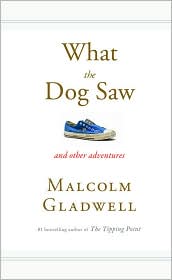
    What-the-Dog-Saw

    The difference between choking and panicking. The difference between thinking too much and thinking too little. The difference between thinking when you don’t need to and not thinking when you do need to.

    The first sort of over-thinking interferes with your natural (or practiced) ability to do what you need to do, and tragically you don’t do what you ordinarily would be able to do. The second sort of under-thinking interferes with your ability to put your brain to work when you need it most, and tragically you never get the opportunity to do what your brain would have otherwise been able to help you choose.

    Choking or panicking.

    I almost never panic. I tend to remain calm in crisis, my thinking somehow becomes clearer, and my willingness to act decisively heightens. I’m not sure why that is. I’ll just be thankful.

    Choking, though, is another story altogether. And here is where this chapter was so enlightening for me. When faced with an important interview, for example, I respond to the importance by trying harder. That response has always made (more…)
  • Don’t Let Their Meltdown Become Your Meltdown

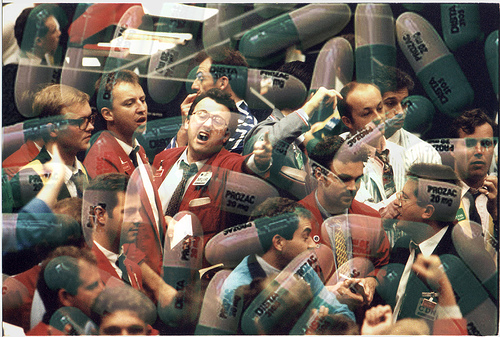
    It’s certainly not fun to watch the stock market fall, taking your long term savings and possibly a dream or two with it.

    It’s certainly not comforting to watch entire companies close their doors, creating instant unemployment for not just a few skilled workers.

    And no one likes hearing about anyone losing their home, even in the maddening case when the initial mortgage commitment was irresponsible.

    My question for you is, “Are you letting their meltdown become your meltdown?”

    It’s easy to start worrying about our own job security, financial well-being, and credit issues. But there is a big difference between the sort of reality check some of us need to make us face the facts about our money practices and the sort of shared anxiety based, not on facts, but on the broader climate of uneasiness, fear and panic.

    One question you might want to ask yourself is, “Am I making this decision to make myself feel less anxious today, or is this the best possible choice to help me achieve my short and long term financial goals and commitments?”

    In times of economic stress, it is easy to slip into making decisions in order to make us feel better. This is where we risk allowing their meltdown to become our meltdown.

    What we are looking for is a sense of poise instead of panic. Perspective instead of overwhelm. Strategy instead of fear.

    Poise is both an interior and exterior posture that is steady, balanced and paying attention. Poise is not easily knocked over or thrown off course by the unexpected earthquakes and/or hurricanes of life. Poise involves maintaining one’s composure to better assess the situation, distinguish between fact and fear, and think more clearly.

    Perspective is a vantage point. Perspective involves being able to step back and look at issues from more than one angle. Perspective rejects isolation and consults with safe and experienced friends, associates and professionals.

    Strategy is wisdom committed to action. Strategy discerns urgent issues requiring immediate decisions. Strategy recognizes longer term possibilities and holds or adjusts course accordingly. Strategy does not recoil from difficult decisions, because its validation does not come from needing to feel better right away.

    Validation is the peace that is available from a posture of poise, a vantage point with perspective, and a thoughtful strategy of next steps.

    What are you doing to prevent their meltdown from becoming your meltdown?